Teachers corner 🍎
Everything is free to use in class. No logins, no cookies, no ads — safe for children by design.
🖨️
Printable fact sheets
Open any dinosaur, then press Print. Navigation, 3D and games are hidden automatically.
📝
Quiz packs by age
Printable question sheets with an answer key at the end.
💡
Lesson ideas
6 ready-to-run activities using the site.
Lesson ideas
Walk Through Deep Time
Ages 6–9⏱ 30 minGoal: Understand how long the age of dinosaurs lasted and that the Triassic, Jurassic and Cretaceous came one after another.
You need: A 25-metre rope or roll of paper, Coloured tape or sticky notes, Printed pictures of 6–8 dinosaurs, Tape measure
- Lay out the rope and explain that every 10 cm stands for 1 million years, so the whole rope covers about 250 million years.
- Mark the start of the Triassic (25 m from the 'today' end), the Jurassic (about 20 m) and the Cretaceous (about 14.5 m) with coloured tape.
- Mark 66 million years ago (6.6 m) as the asteroid impact, and put a tiny mark just 3 cm from the end for the first humans.
- Give each group a dinosaur picture and have them find its date on the DinoVerse timeline, then place it on the rope.
- Walk the rope together and discuss: which dinosaurs never met? (Stegosaurus and T. rex are further apart in time than T. rex is from us.)
How Big Was It, Really?
Ages 7–11⏱ 40 minGoal: Use measurement to compare dinosaur sizes with familiar objects and practise working with metres.
You need: Long tape measure or trundle wheel, Chalk or traffic cones, Clipboards and a recording sheet, Access to the size comparison page
- On the size comparison page, pick three dinosaurs and note their lengths in metres (use the middle of each range).
- Go outside and measure out each length with chalk or cones, starting from the same line.
- Have children lie head to toe along one outline and count how many children long the dinosaur was.
- Compare with a school bus (about 12 m) and discuss why scientists give sizes as ranges, not exact numbers.
- Back in class, draw a simple bar chart of the three dinosaurs and a child.
Teeth Tell Tales
Ages 8–12⏱ 35 minGoal: Infer an animal's diet from tooth and jaw shape, the same way palaeontologists do.
You need: Printed tooth pictures (theropod, sauropod, hadrosaur, Spinosaurus), Everyday tools: bread knife, fork, nutcracker, tongs, Sorting cards labelled herbivore, carnivore, omnivore, piscivore
- Show the tools and ask which would be best for slicing meat, gripping slippery fish, or grinding seeds.
- In pairs, match each tooth picture to the tool it works most like.
- Sort the teeth onto the diet cards and explain the choice using words like serrated, cone-shaped and grinding.
- Check answers on the diet page and look at the other evidence: coprolites, stomach contents and bite marks.
- Finish by building a three-step food chain with one plant, one herbivore and one carnivore.
Moving Continents, Moving Dinosaurs
Ages 9–13⏱ 45 minGoal: Explain how the break-up of Pangaea explains why related dinosaur fossils are found on continents that are now far apart.
You need: Printed world map with continent outlines to cut out, Scissors and glue, Coloured pencils, Access to the world map page
- Cut out the continents and try to fit them together like a jigsaw; notice how South America and Africa match.
- Explain Pangaea and show the ancient-continent view on the map page.
- Choose three dinosaurs and mark where their fossils were found on today's map.
- Discuss why similar fossils turn up in Africa and South America, and why North America had its own island, Laramidia, in the Late Cretaceous.
- Write two sentences explaining how fossils help prove that continents move.
Dinosaur or Not?
Ages 8–12⏱ 30 minGoal: Use defining features to decide which prehistoric animals were dinosaurs and which were not.
You need: Picture cards: T. rex, Pteranodon, Triceratops, Plesiosaurus, Dimetrodon, Mosasaurus, a pigeon, Stegosaurus, Two hoops or boxes labelled 'Dinosaur' and 'Not a dinosaur'
- Ask children to sort the cards by gut feeling first and record their guesses.
- Introduce the key clue: dinosaurs stood with their legs straight under the body and lived on land.
- Use the 'not dinosaurs' page to check each card and read the 'why it is not a dinosaur' notes.
- Re-sort the cards and talk about the surprises, especially that the pigeon is a dinosaur and Dimetrodon is closer to mammals.
- Each child writes one 'Myth vs fact' sentence to share.
Quiz Expedition and Word Wall
Ages 6–12⏱ 30 minGoal: Review dinosaur science vocabulary and facts through a team quiz matched to each child's level.
You need: Device with access to the quiz page, Sticky notes, A wall or board for the word wall
- Split the class into small teams and let each choose a quiz level: Hatchling, Explorer or Palaeontologist.
- Teams take the quiz together, discussing each answer before choosing.
- After every question, read the explanation aloud and add any new science word to a sticky note.
- Build a class word wall from the sticky notes and check each word's meaning in the glossary.
- Celebrate badges earned and ask each team to share the fact that surprised them most.
Printable quiz packs
- 🥚Hatchling packAges 6–8 · 15 questions
- 🦴Explorer packAges 9–12 · 15 questions
- 🏆Palaeontologist packAges 13+ · 15 questions
Fact sheets
Each link opens a two-page A4 fact sheet with a quiz and answer key. Use the Kid / Explorer buttons at the top of the sheet to pick the reading level before printing.
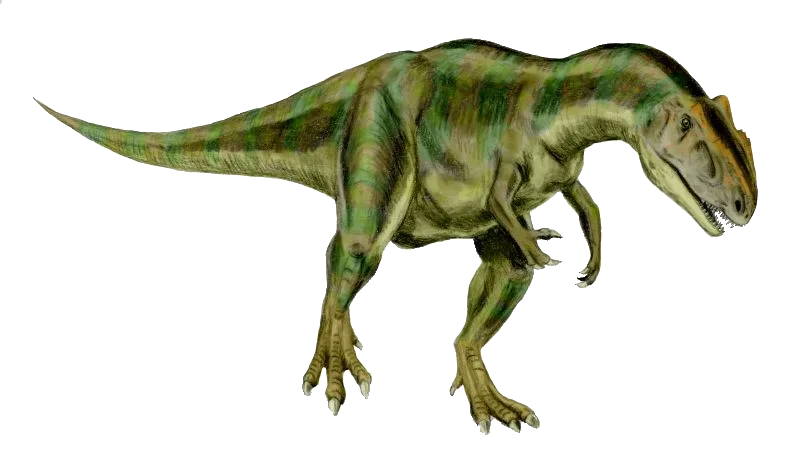 Allosaurus
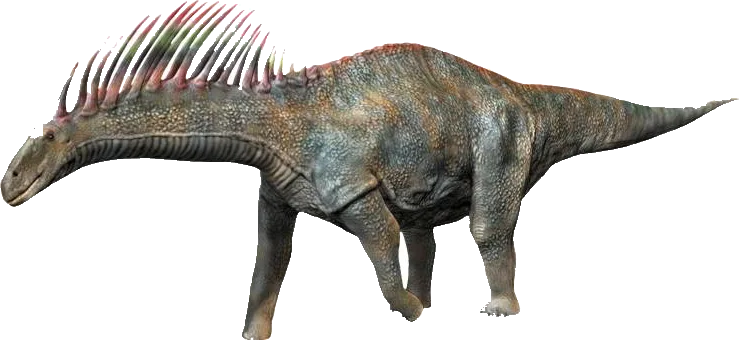 Amargasaurus
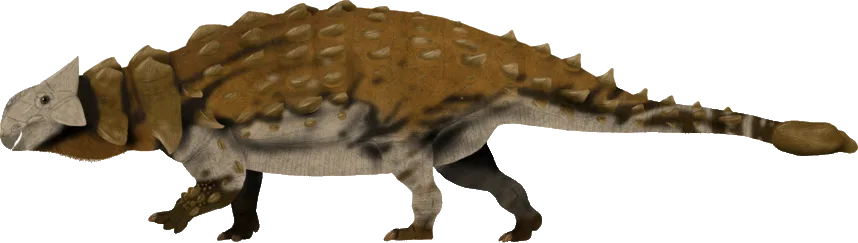 Ankylosaurus
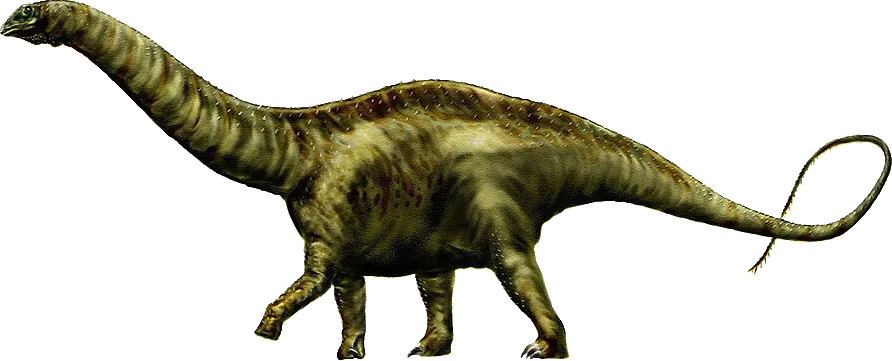 Apatosaurus
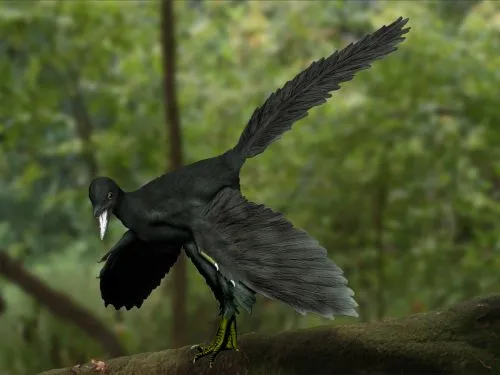 Archaeopteryx
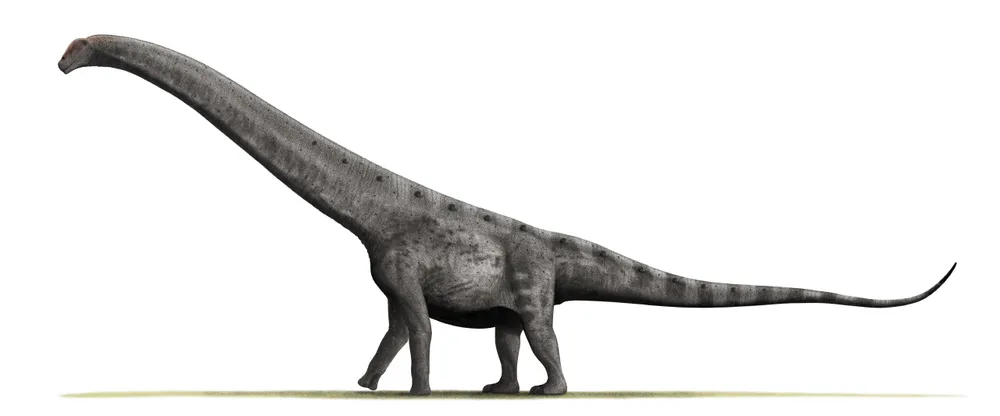 Argentinosaurus
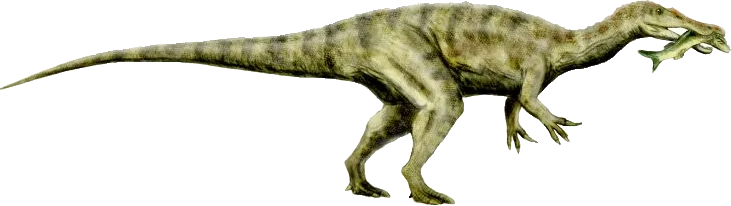 Baryonyx
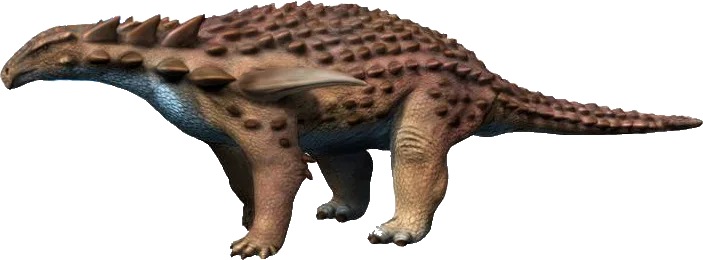 Borealopelta
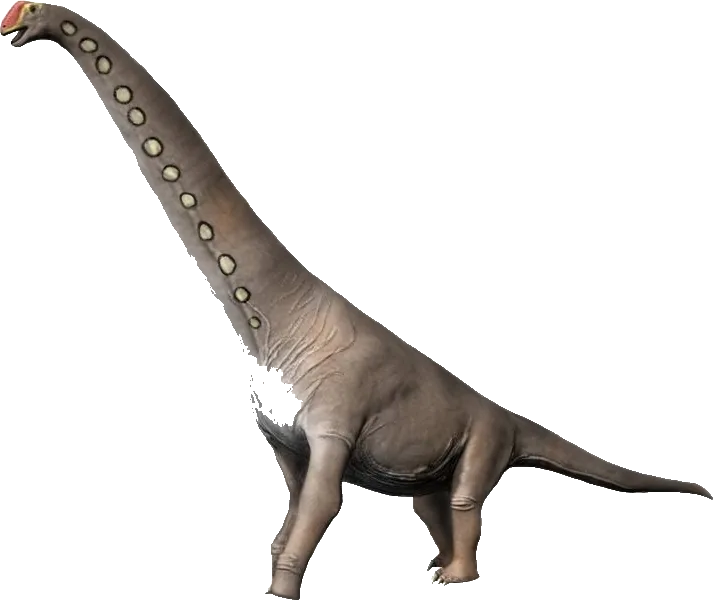 Brachiosaurus
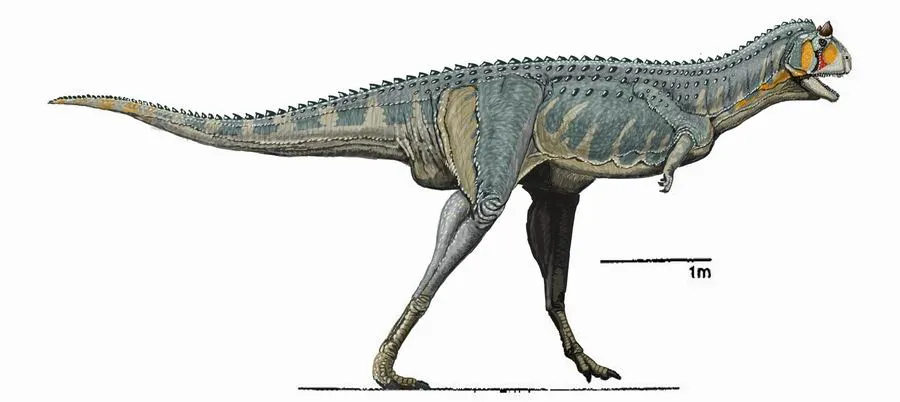 Carnotaurus
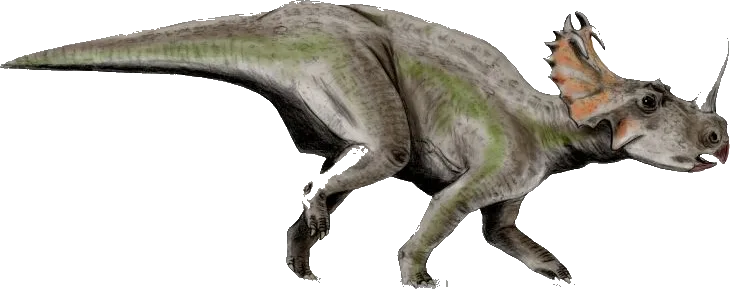 Centrosaurus
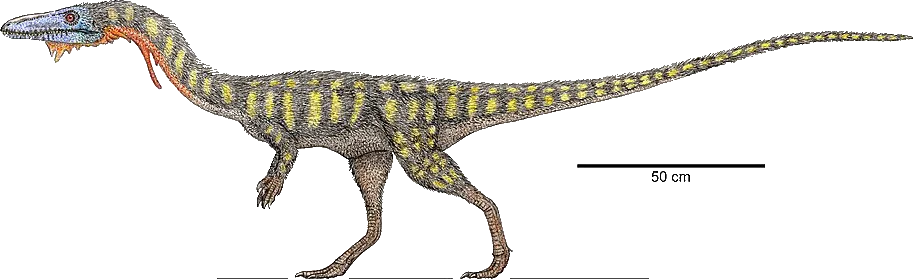 Coelophysis
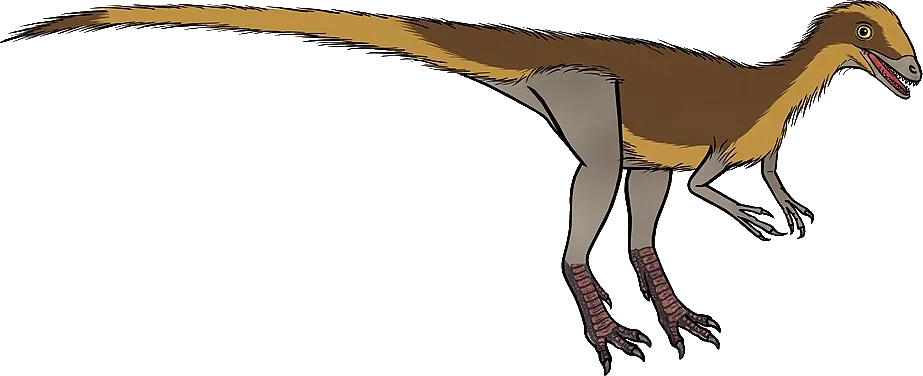 Compsognathus
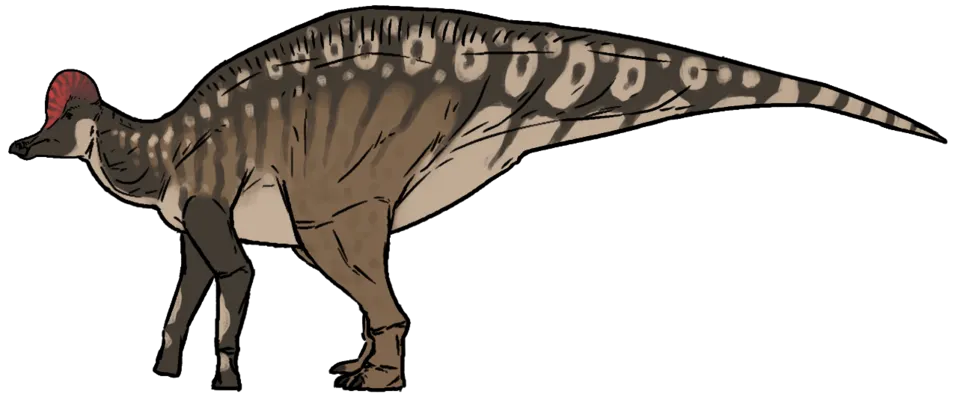 Corythosaurus
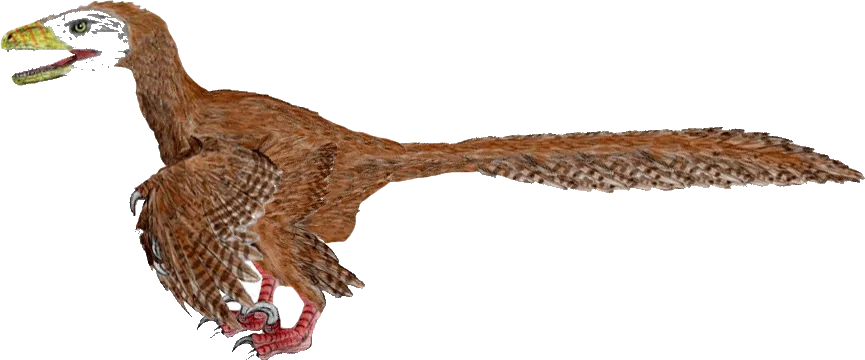 Deinonychus
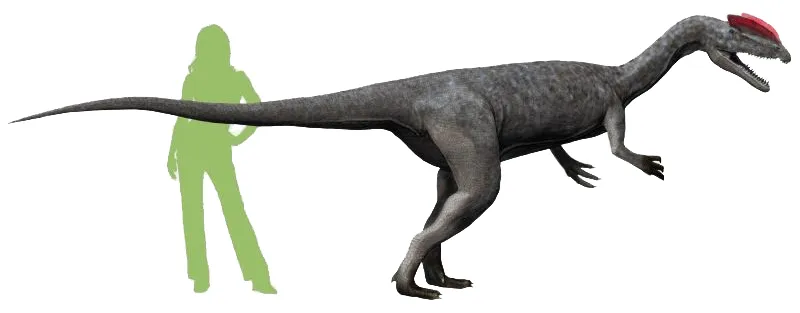 Dilophosaurus
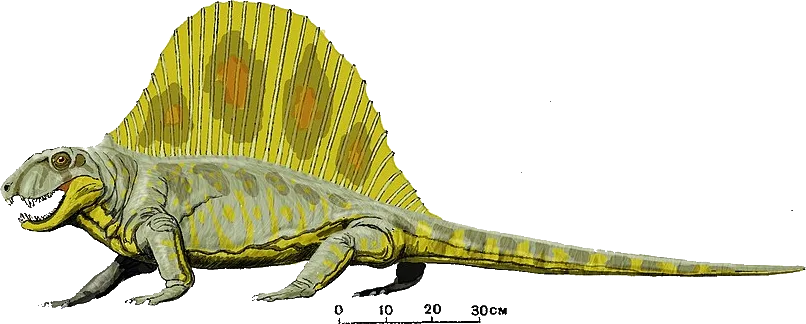 Dimetrodon
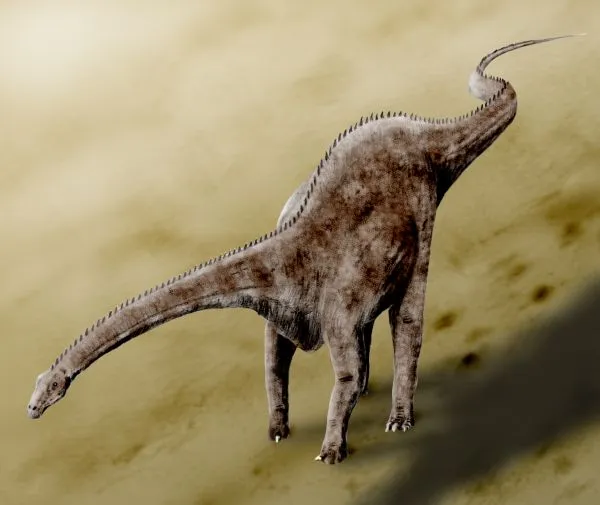 Diplodocus
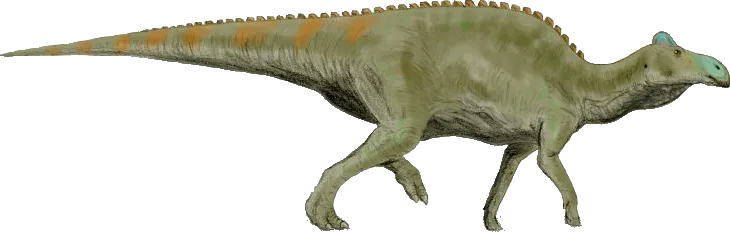 Edmontosaurus
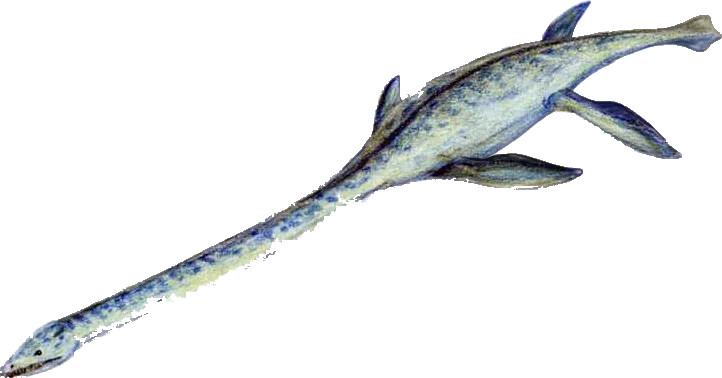 Elasmosaurus
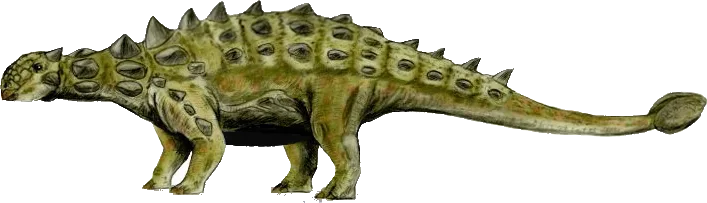 Euoplocephalus
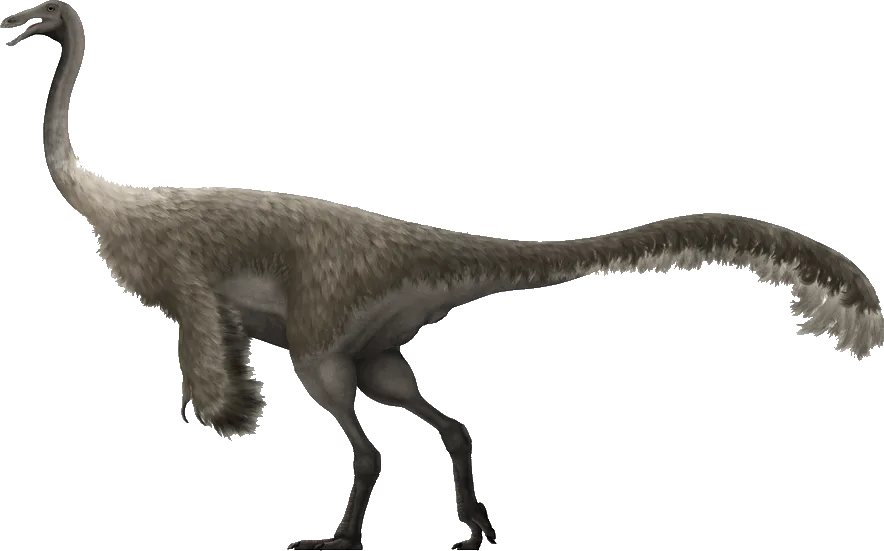 Gallimimus
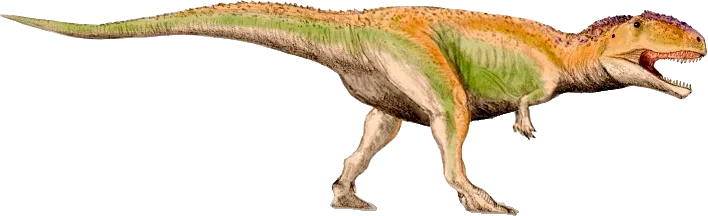 Giganotosaurus
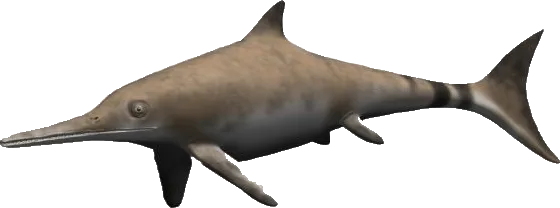 Ichthyosaurus
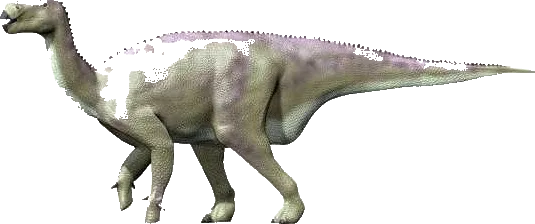 Iguanodon
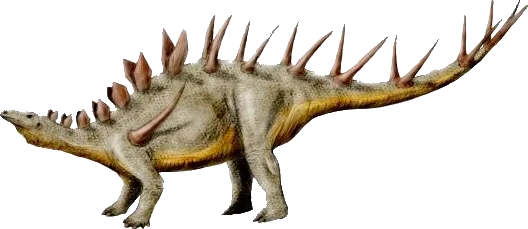 Kentrosaurus
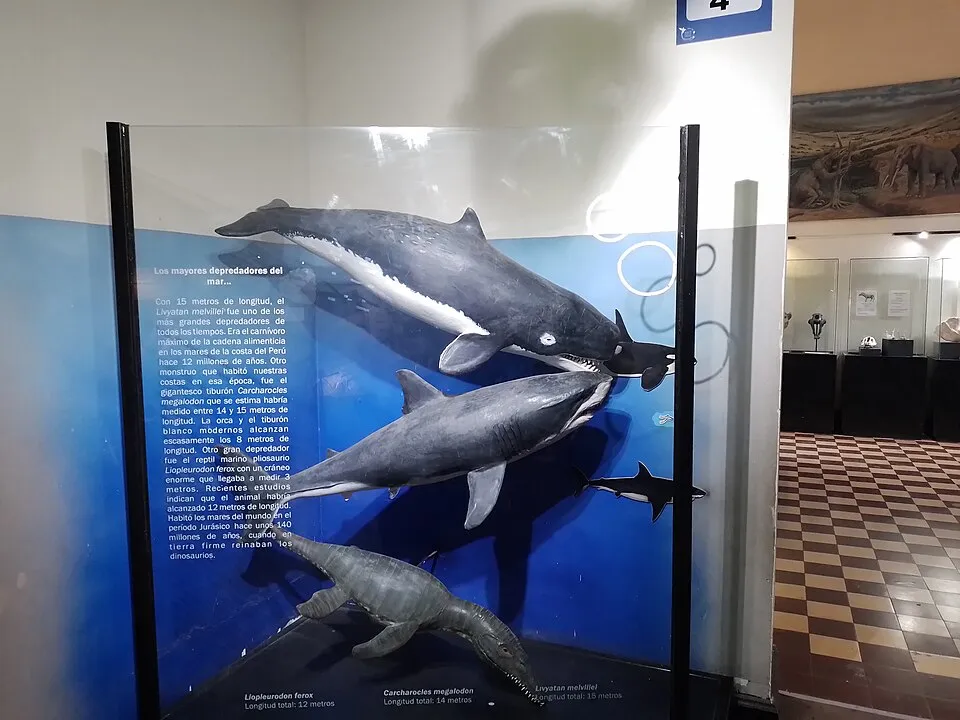 Liopleurodon
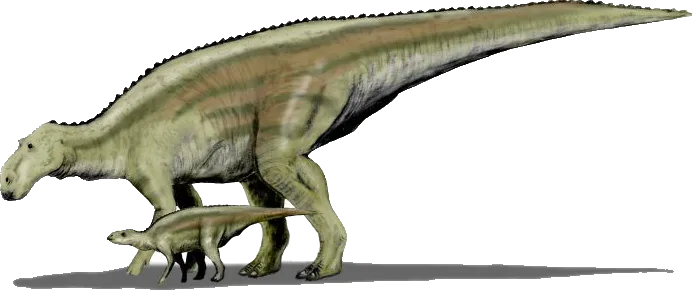 Maiasaura
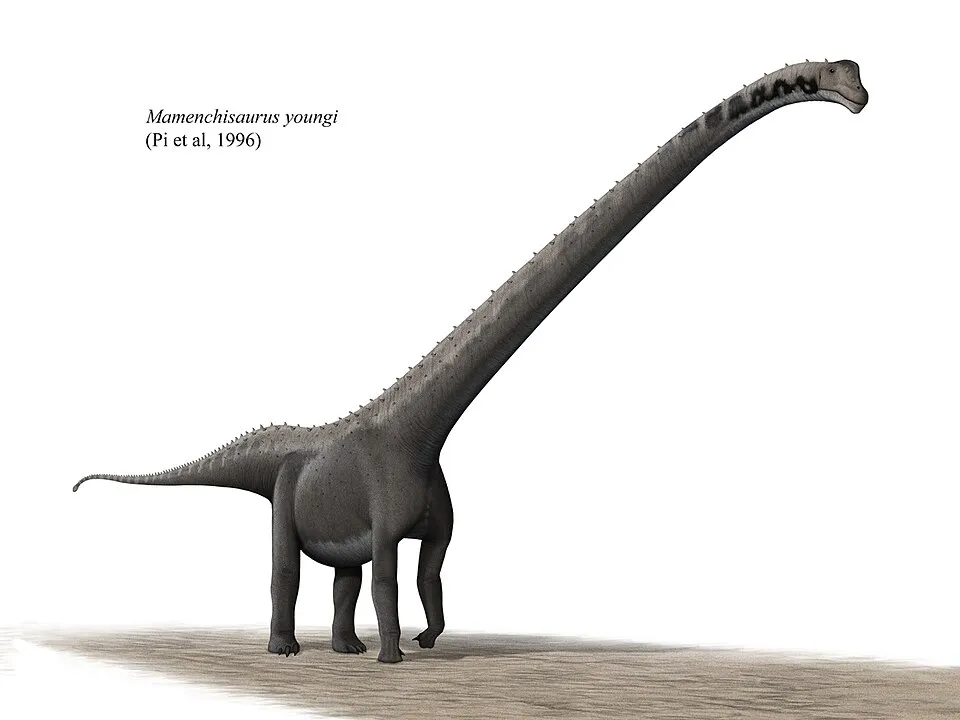 Mamenchisaurus
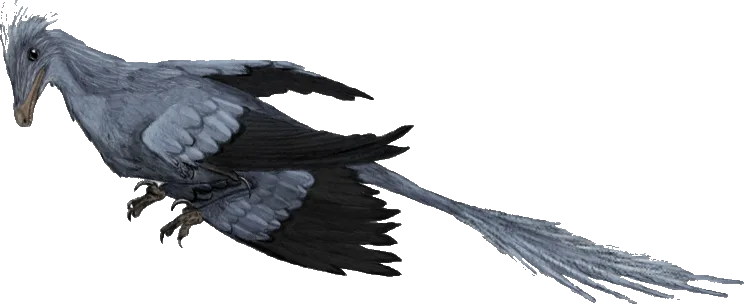 Microraptor
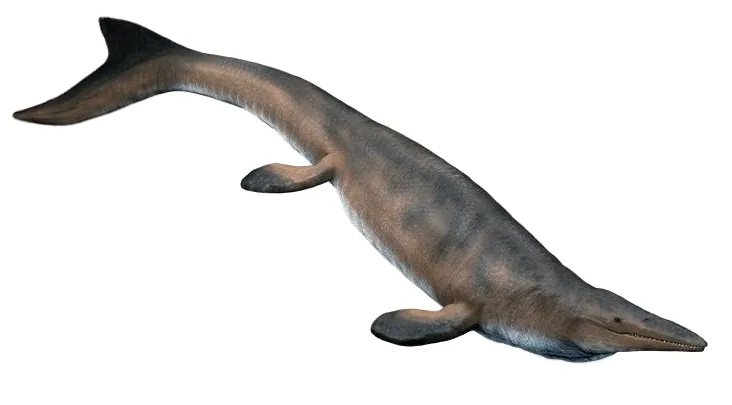 Mosasaurus
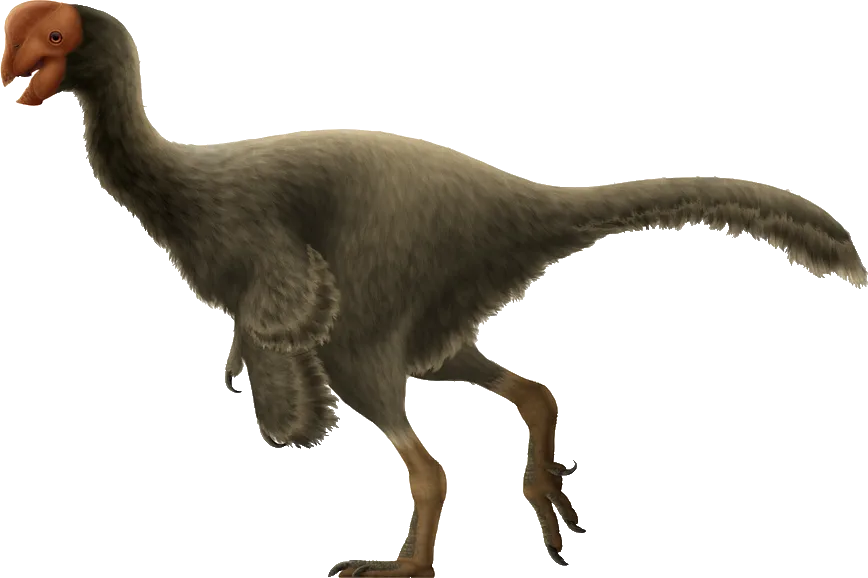 Oviraptor
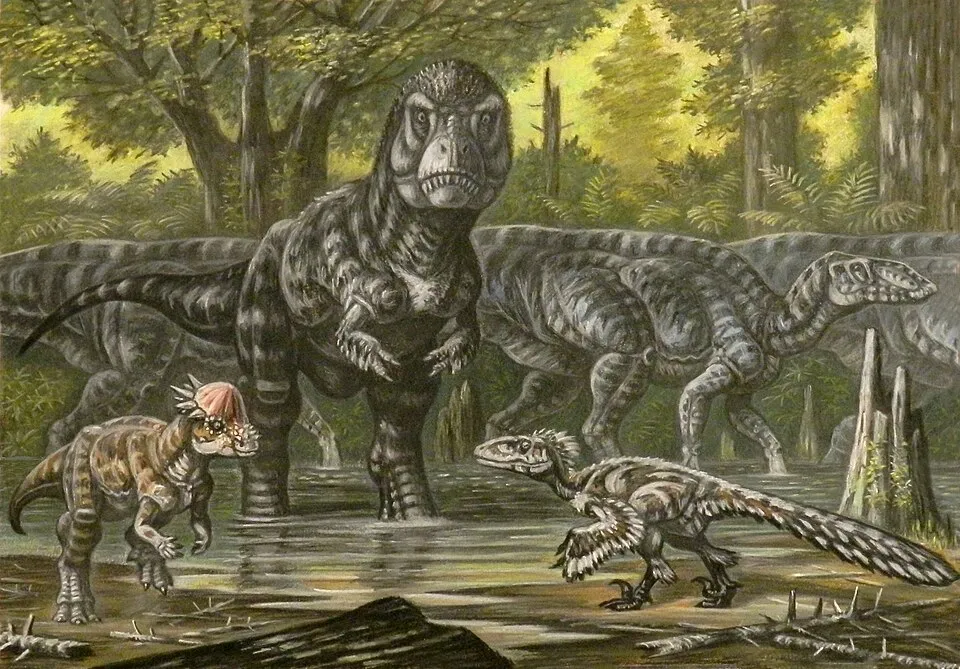 Pachycephalosaurus
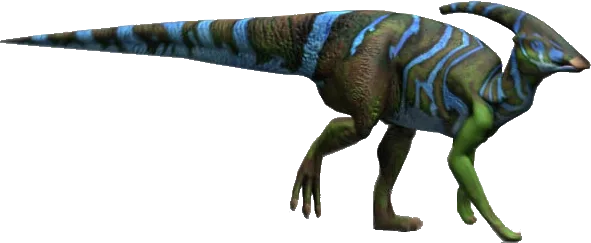 Parasaurolophus
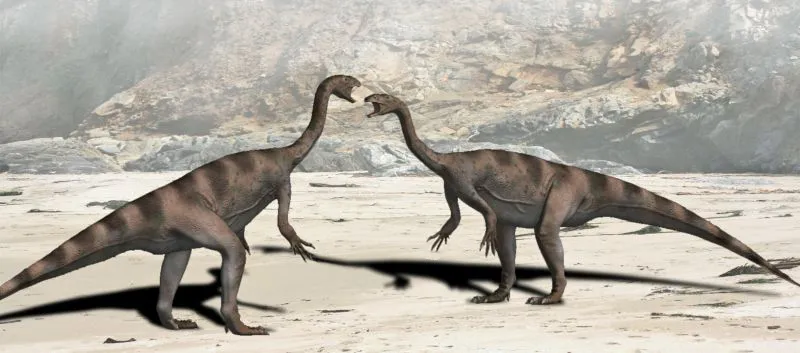 Plateosaurus
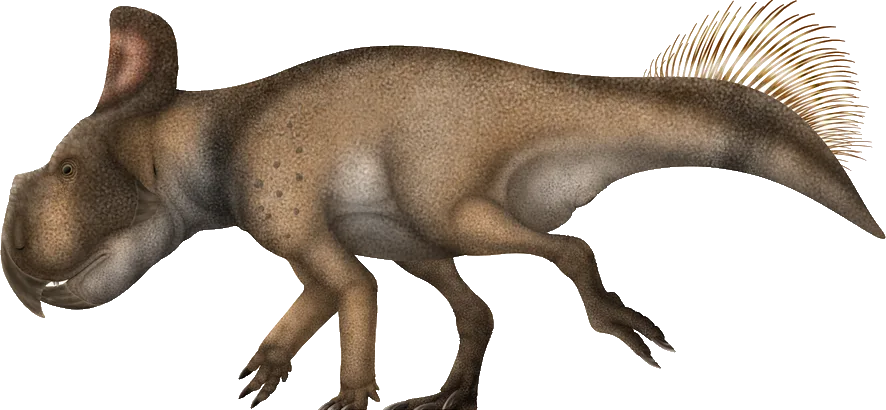 Protoceratops
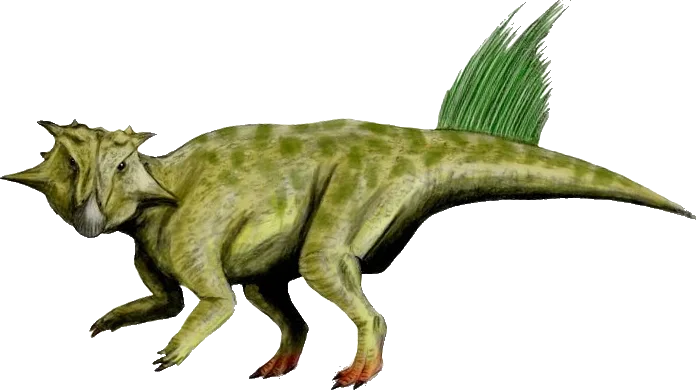 Psittacosaurus
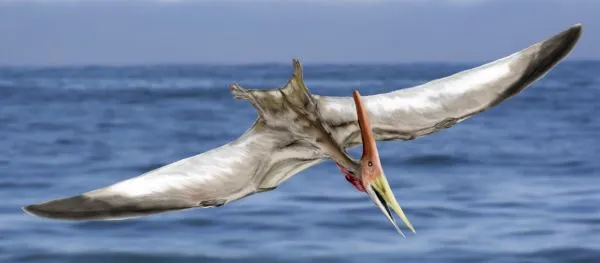 Pteranodon
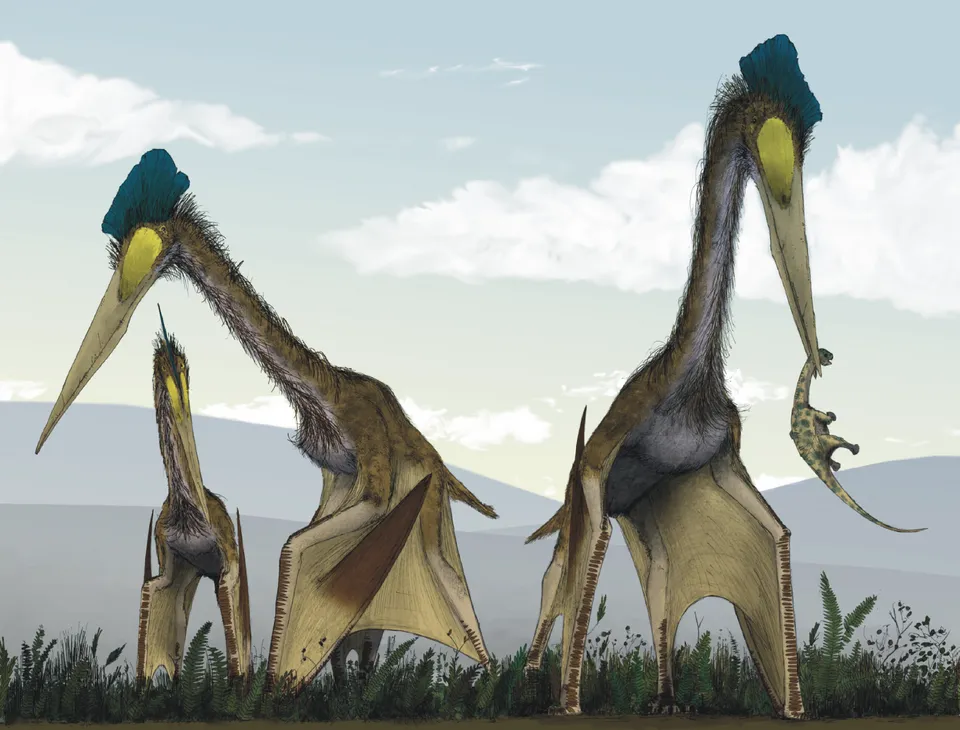 Quetzalcoatlus
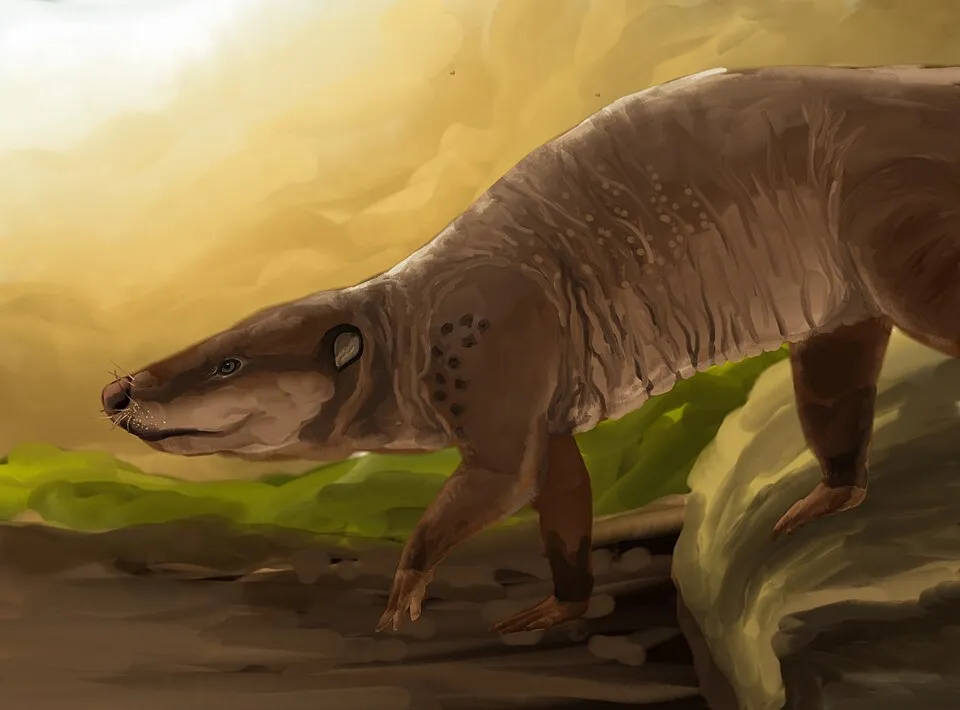 Repenomamus
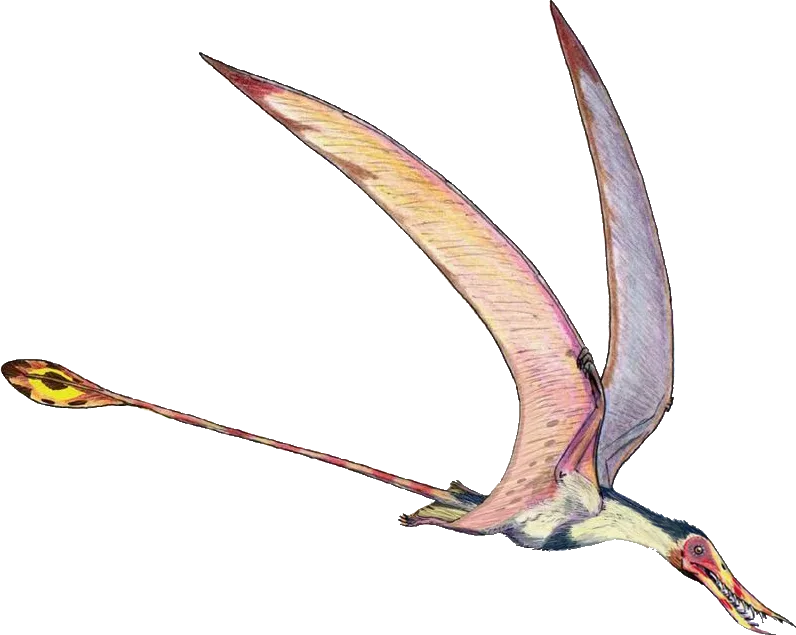 Rhamphorhynchus
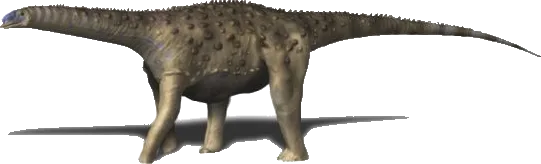 Saltasaurus
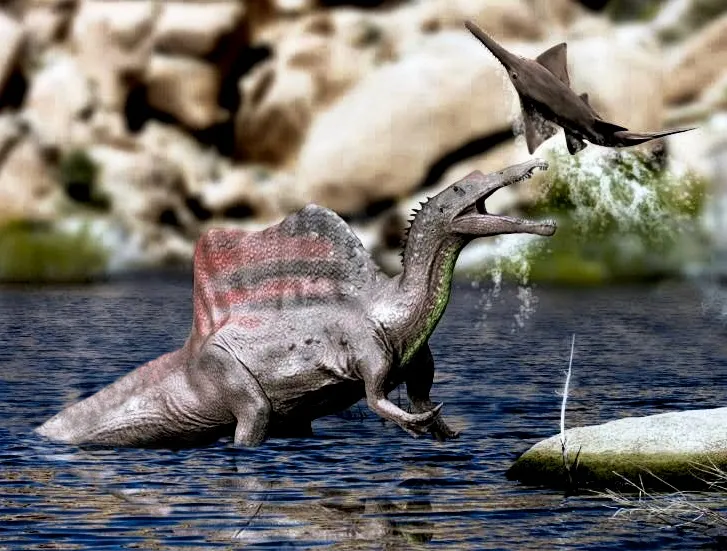 Spinosaurus
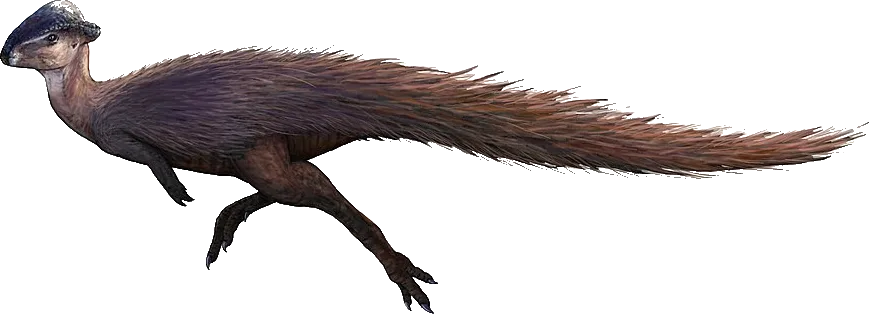 Stegoceras
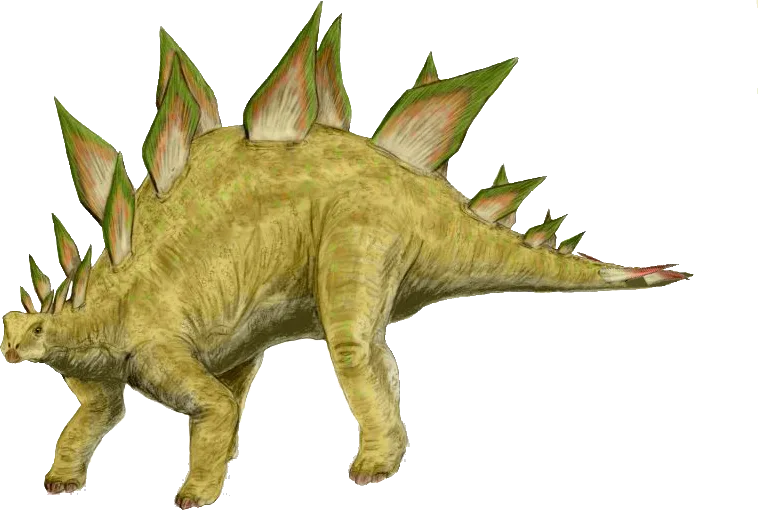 Stegosaurus
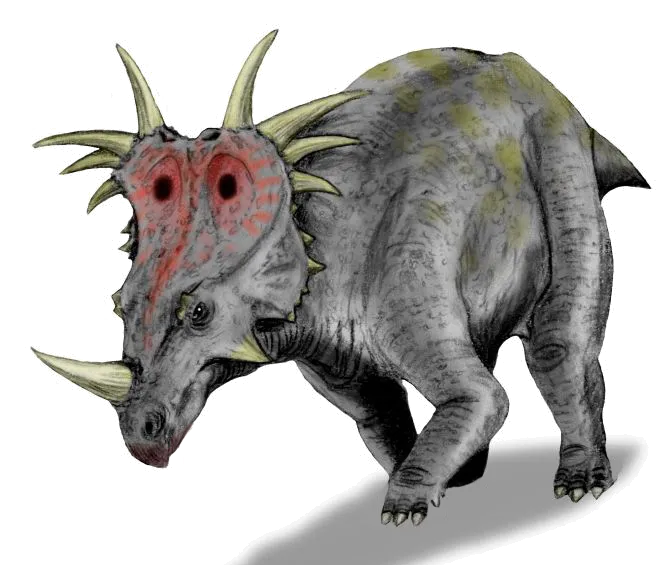 Styracosaurus
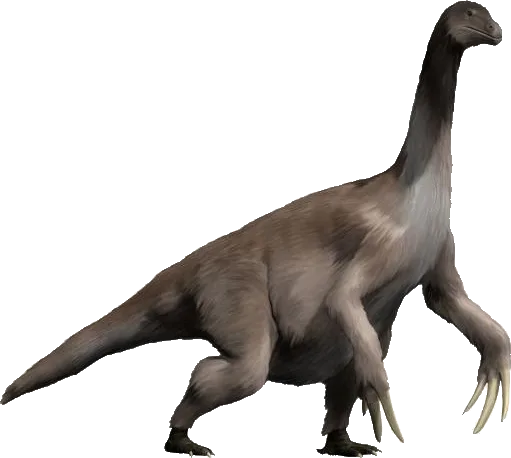 Therizinosaurus
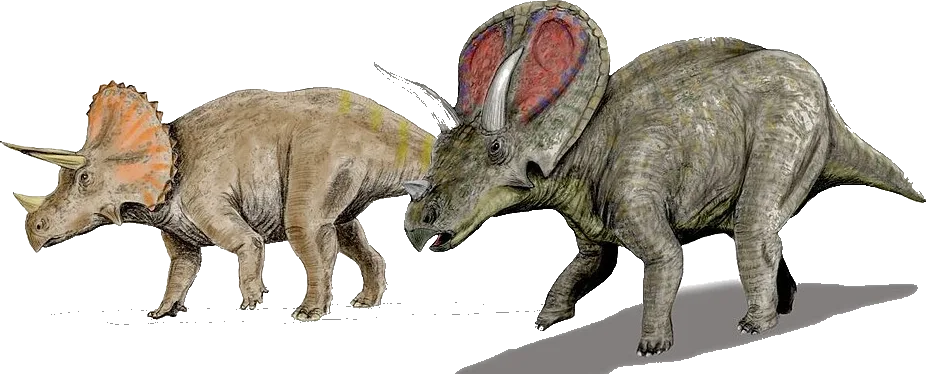 Triceratops
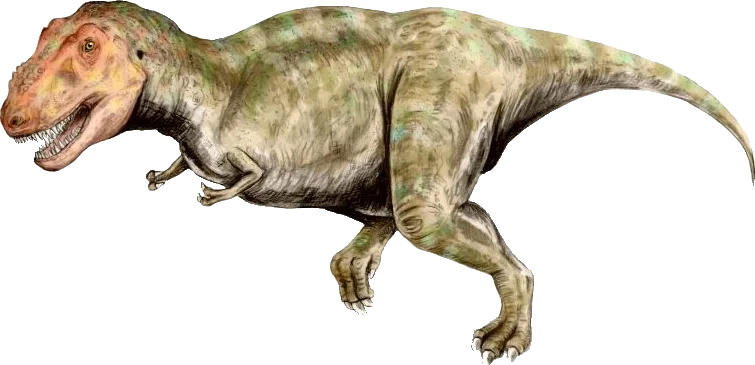 Tyrannosaurus rex
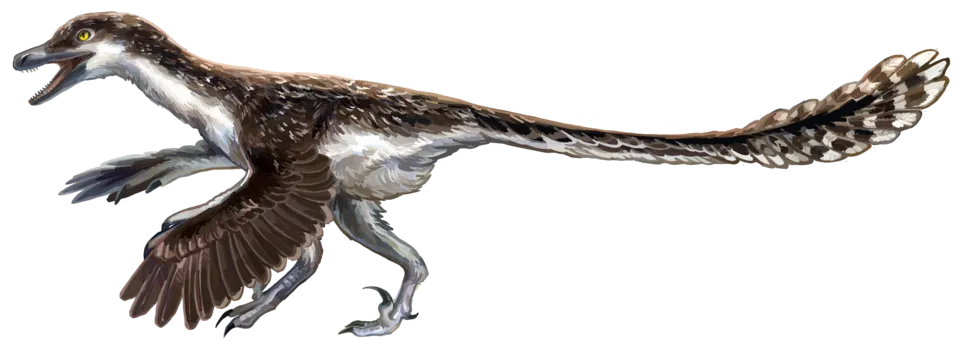 Velociraptor
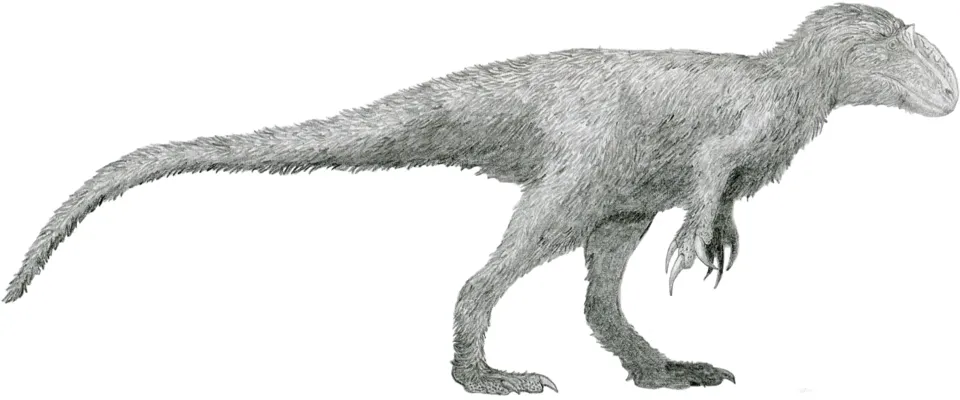 Yutyrannus
🛡️ Safe for schools
- No accounts, no personal data, no cookies, no adverts, only anonymous cookie-free visit counts (COPPA and GDPR-K friendly by design).
- Quiz scores and badges are stored only in the browser on the device being used.
- Every fact is written from cited sources, listed at the bottom of each page. See how we check facts.