DinoVerse · Dinosaur fact sheet
Gallimimus
Say it: GAL-ih-MY-mus · Name means: “Chicken mimic”
| ⏳ Lived | 71–69 million years ago Late Cretaceous |
|---|---|
| 🍽️ Diet | Omnivore (eats plants and meat) |
| 📏 Length | 5–6 m (16–20 ft) |
| ↕️ Height | 1.7–1.9 m (6 ft) |
| ⚖️ Weight | 400–490 kg (880–1,080 lb) |
| 📍 Found in | Asia |
| 🔎 Discovered | 1963 by Polish-Mongolian expedition (named by Halszka Osmólska, Ewa Roniewicz and Rinchen Barsbold in 1972) |
About Gallimimus
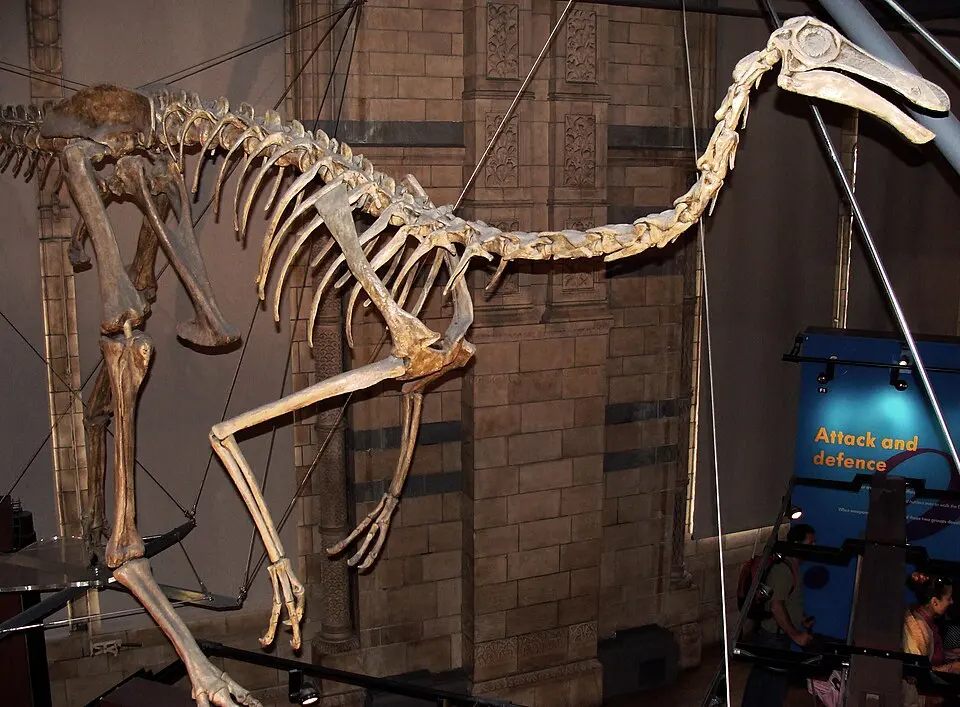
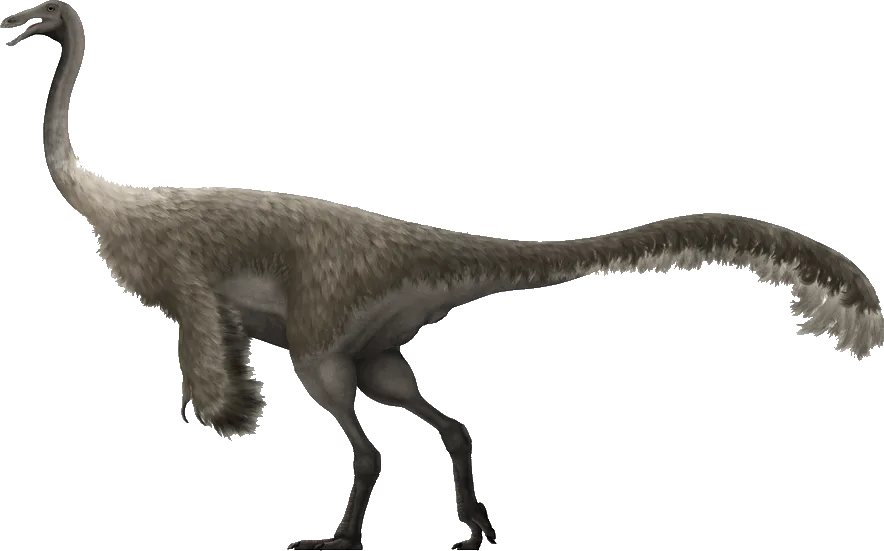
Gallimimus looked like a giant ostrich with a long tail. It was one of the fastest runners of the dinosaur world.
Gallimimus bullatus was the largest well-known ornithomimid, an 'ostrich-mimic' theropod from the Late Cretaceous Nemegt Formation of Mongolia. Its toothless beak, long neck and long, slender legs suggest a fast-running omnivore that ate a mix of plants and small animals.
How big was it?
Drawn to scale next to a 1.7 m adult and a 12 m school bus.
Did you know?
- Gallimimus had no teeth, just a beak, like a bird.
- Its long legs made it super fast, maybe as fast as a racehorse.
- It was about as tall as a grown-up and as long as a car.
- Its name means 'chicken mimic', because its neck reminded scientists of a chicken's.
- The first fossils were collected in the 1960s by Polish-Mongolian expeditions, and in 1972 it was named for features of its neck vertebrae that resemble those of a chicken.
- Running speed estimates for ornithomimids vary, but their long lower legs and light build suggest top speeds in the range of large running birds.
- A 2001 study suggested comb-like structures inside the beak were used to filter food from water like a duck, but later work found they were more like the ridges in a turtle's or plant-eating bird's beak.
- Close relatives such as Ornithomimus are preserved with feathers, so Gallimimus was very likely feathered too, though direct feather fossils for it have not been found.