Sauropods
Long-necked giants
Saurischia › Sauropodomorpha › Sauropoda
Sauropods were the biggest animals ever to walk on land. They had super-long necks for reaching lots of plants and tiny heads. Some were longer than three school buses!
Sauropods are giant, four-legged plant-eaters within Sauropodomorpha, the saurischian branch that also includes smaller, earlier "prosauropods" such as Plateosaurus. True sauropods spread in the Early Jurassic and survived until the end-Cretaceous extinction 66 million years ago. Their vertebrae were hollowed out by air sacs connected to the lungs, lightening the skeleton, much as in birds today. They did not chew; instead they stripped and swallowed plants whole and relied on a huge gut to digest them. Well-known members include Diplodocus, Brachiosaurus and the titanosaurs Argentinosaurus and Patagotitan, which may have weighed 50–70 tonnes or more.
How to spot one
- Very long neck and tail
- Small head compared with the body
- Four thick, pillar-like legs
- Neck and back bones full of air spaces
- Simple peg- or spoon-shaped teeth for stripping plants
Family tree
Members on DinoVerse (8)
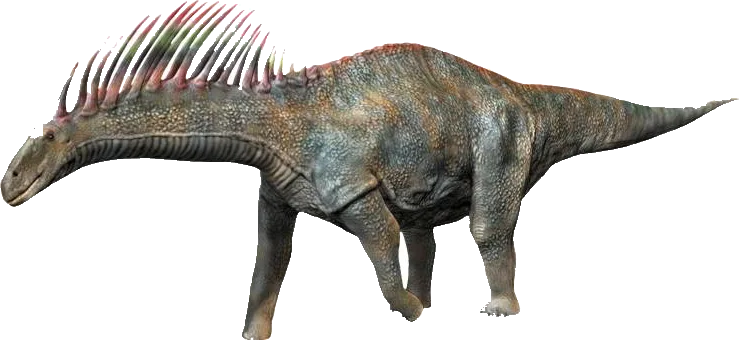
Amargasaurus
“La Amarga lizard”
SauropodEarly CretaceousHerbivore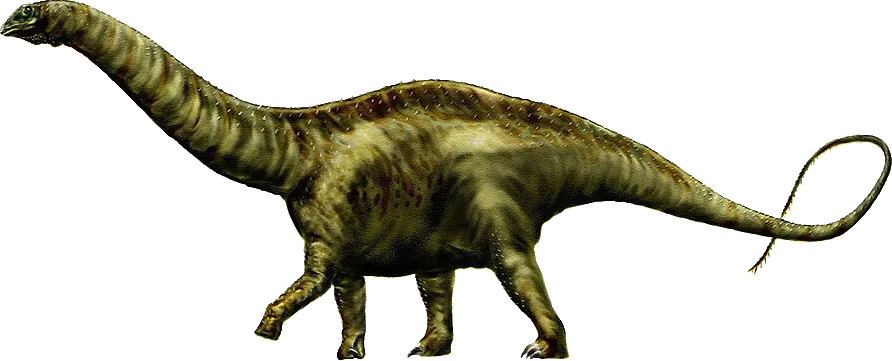
Apatosaurus
“Deceptive lizard”
SauropodLate JurassicHerbivore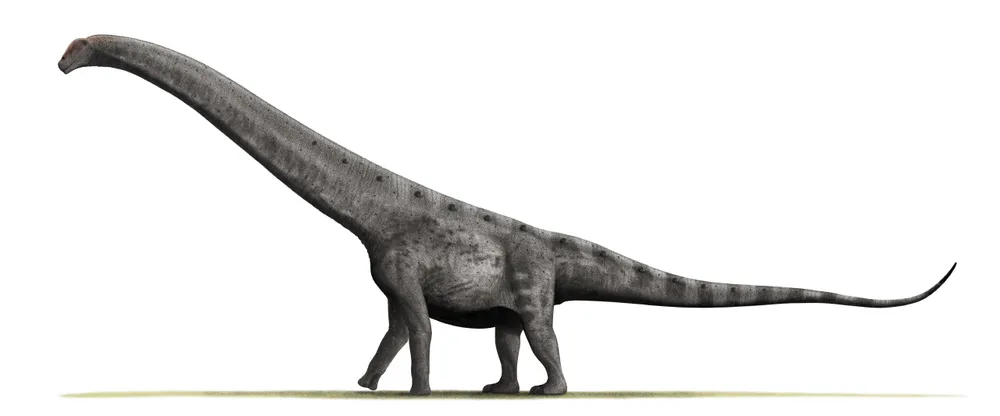
Argentinosaurus
“Argentina lizard”
SauropodLate CretaceousHerbivore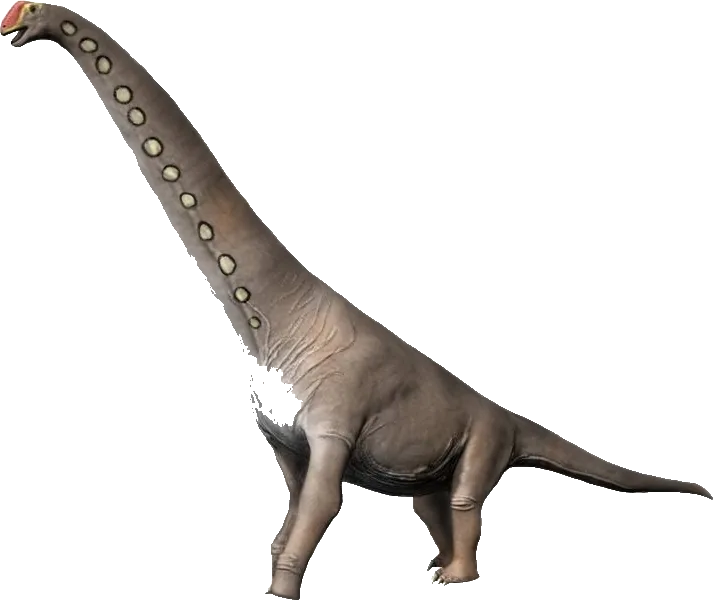
Brachiosaurus
“Arm lizard”
SauropodLate JurassicHerbivore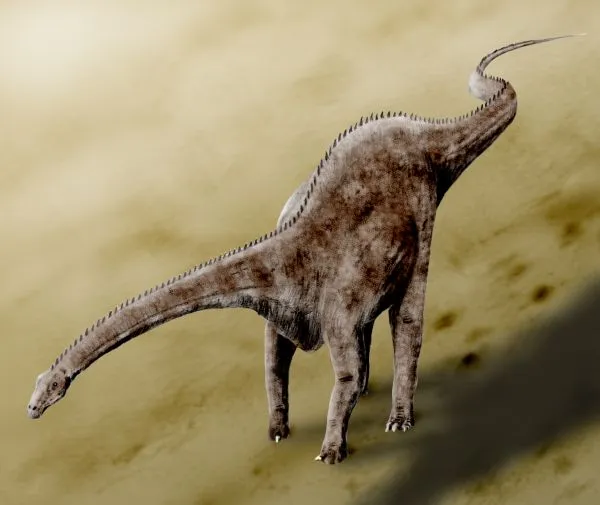
Diplodocus
“Double beam”
SauropodLate JurassicHerbivore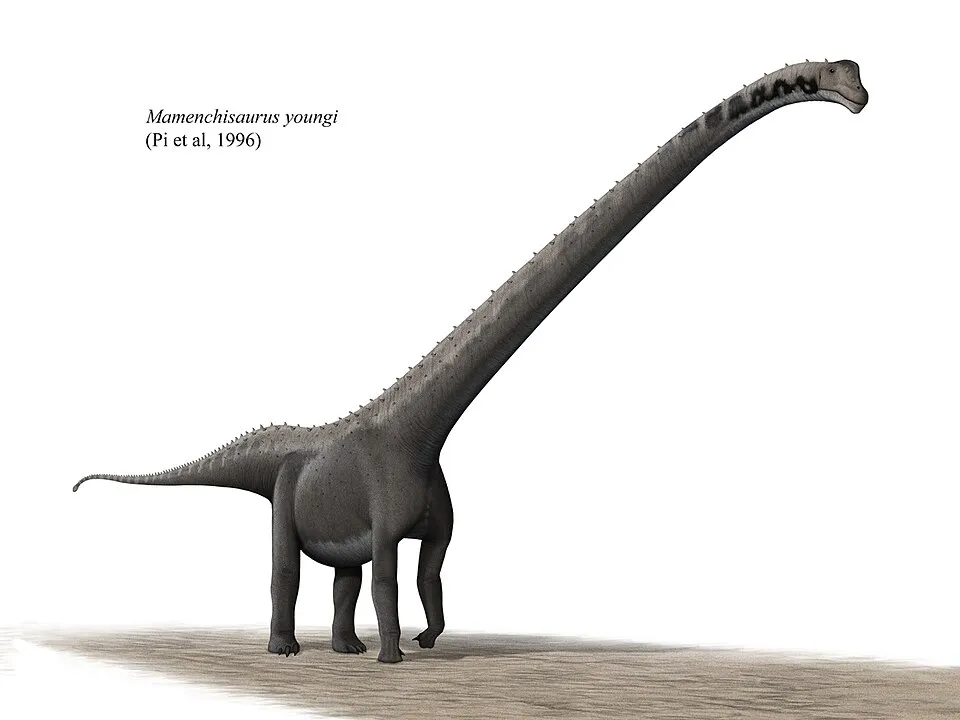
Mamenchisaurus
“Mamenxi lizard (named after a place in China)”
SauropodLate JurassicHerbivore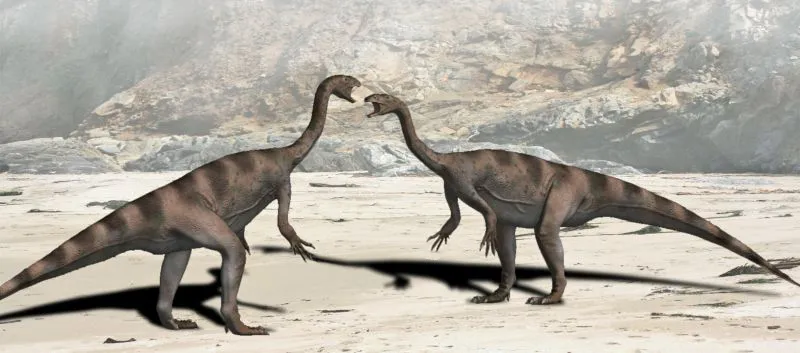
Plateosaurus
“Broad lizard”
SauropodLate TriassicHerbivore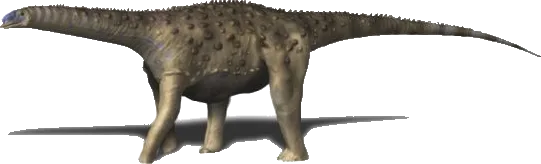
Saltasaurus
“Lizard from Salta”
SauropodLate CretaceousHerbivore