Ceratopsians
Horned and frilled faces
Ornithischia › Marginocephalia › Ceratopsia
Ceratopsians were plant-eaters with beaky mouths and big frills on their heads. Many, like Triceratops, also had horns. Their frills and horns may have helped them show off and stay safe.
Ceratopsians are marginocephalian ornithischians identified by the rostral bone, a unique bone that forms the upper beak. Early members such as Yinlong (about 160 million years ago, Late Jurassic China) and Psittacosaurus were small and often walked on two legs, while later ceratopsids like Triceratops, Styracosaurus and Centrosaurus were rhino-sized quadrupeds. Their frills and horns varied hugely between species, which suggests they were used for display and recognition as well as defence. Large bonebeds of Centrosaurus and Protoceratops indicate that some species lived in herds.
How to spot one
- A parrot-like beak with a special bone on top (the rostral bone)
- A bony frill at the back of the skull
- Many had horns on the nose and above the eyes
- Shearing teeth for slicing tough plants
Family tree
Members on DinoVerse (5)
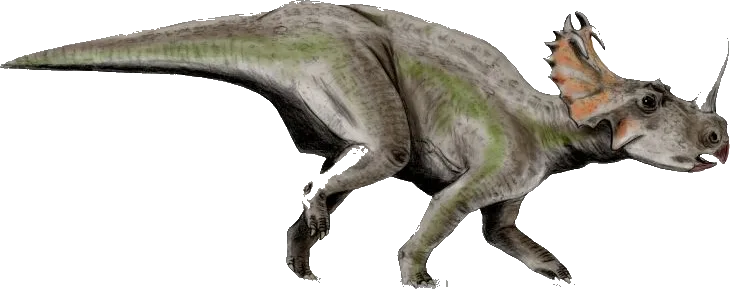
Centrosaurus
“Pointed lizard”
CeratopsianLate CretaceousHerbivore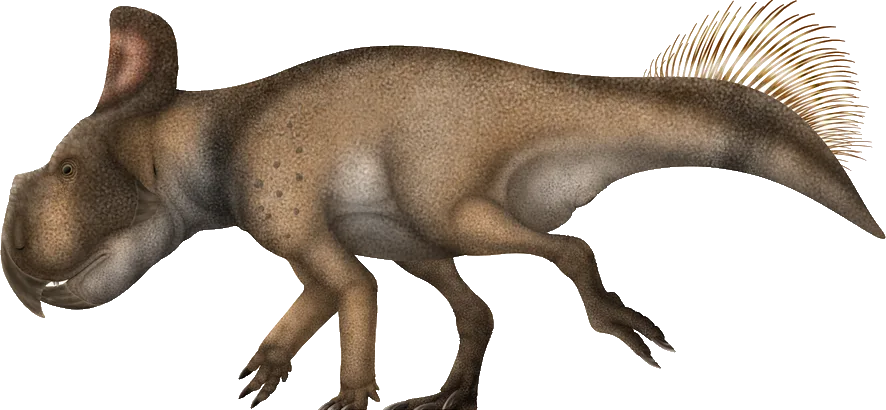
Protoceratops
“First horned face”
CeratopsianLate CretaceousHerbivore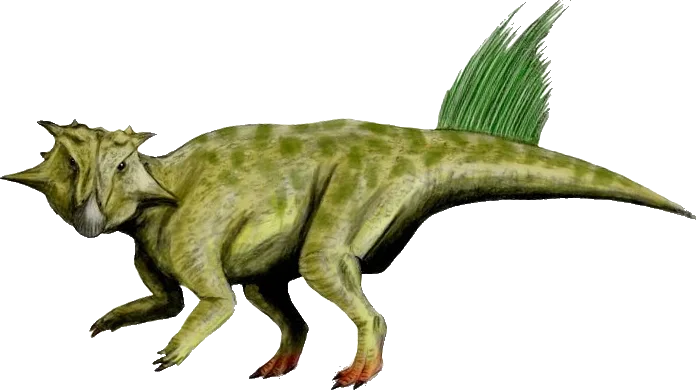
Psittacosaurus
“Parrot lizard”
CeratopsianEarly CretaceousHerbivore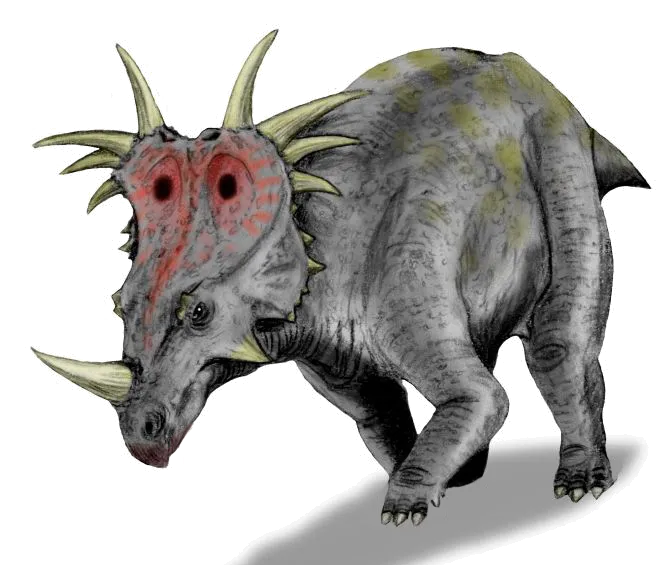
Styracosaurus
“Spiked lizard”
CeratopsianLate CretaceousHerbivore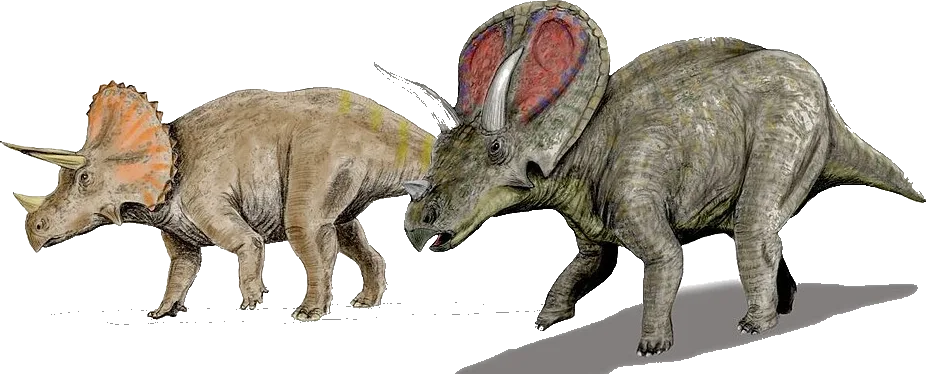
Triceratops
“Three-horned face”
CeratopsianLate CretaceousHerbivore