Mammals
Furry milk-makers
Synapsida › Therapsida › Cynodontia › Mammalia
🚫 Not dinosaurs
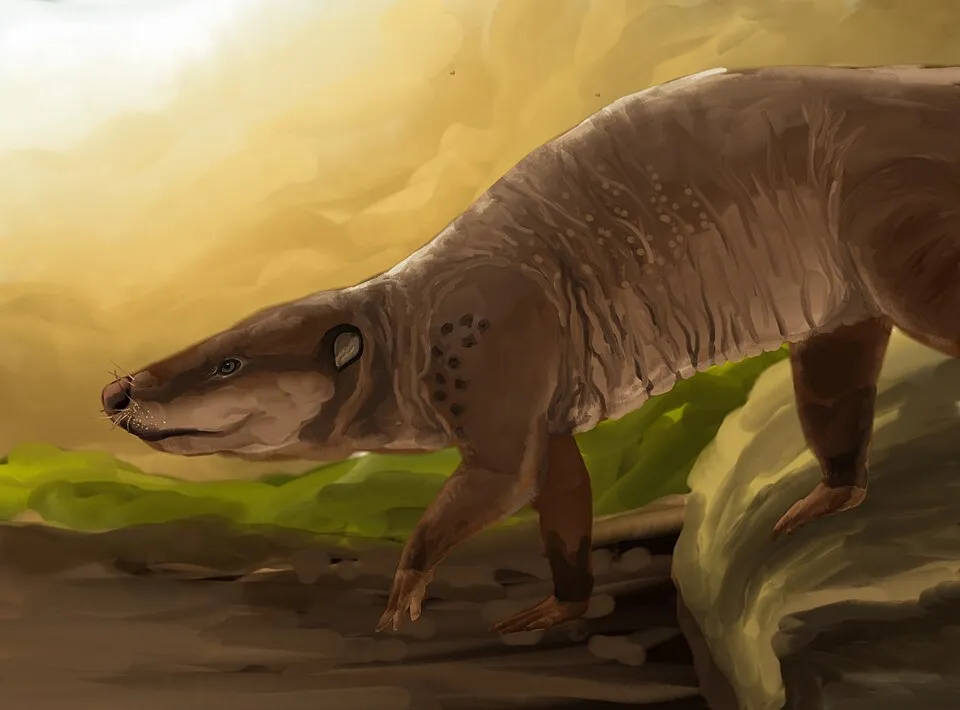
Mammals are animals with fur that feed their babies milk, like dogs, whales and you! The first mammals were tiny and lived alongside the dinosaurs. After the big dinosaurs died out, mammals grew into giants like woolly mammoths.
Mammals are the only surviving synapsids and evolved from cynodont therapsids; close relatives such as Morganucodon appear in the Late Triassic, around 205 million years ago, at about the same time dinosaurs were spreading. Key features include hair, milk glands, a lower jaw formed by a single bone (the dentary) and three middle-ear bones, two of which evolved from old jaw bones. Mesozoic mammals were mostly small, but they were more varied than once thought: Repenomamus, from Early Cretaceous China, was found with a young Psittacosaurus in its stomach. After the extinction 66 million years ago, mammals diversified rapidly, producing Ice Age giants such as woolly mammoths and the sabre-toothed cat Smilodon.
How to spot one
- Hair or fur
- Mothers feed babies with milk
- Three tiny bones in the middle ear
- Lower jaw made of a single bone on each side